
Vertical Harvesting

Vertical Harvesting
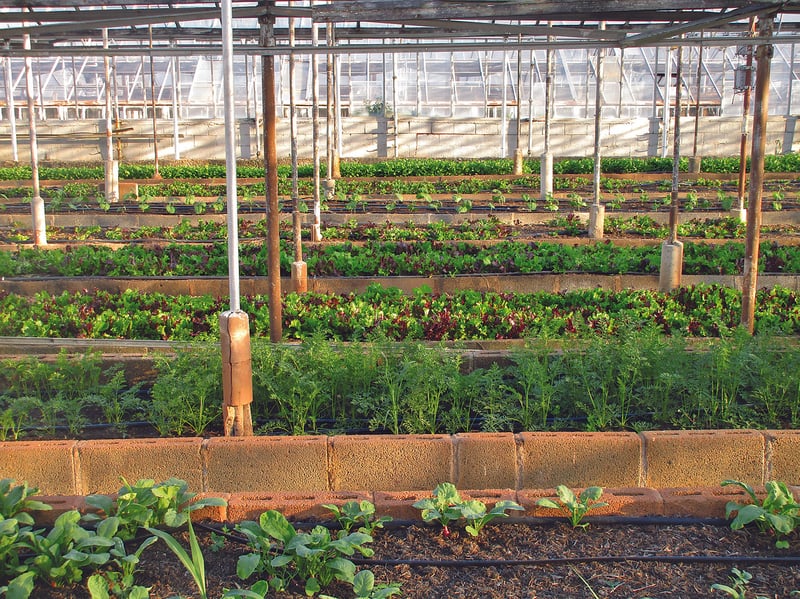
The Future of Farming: Vertical Harvesting Revolutionizing Urban Agriculture
Urban agriculture is undergoing a transformation with the advent of cutting-edge techniques like vertical harvesting. This innovative approach to farming is revolutionizing how we grow food in densely populated cities, offering sustainable solutions to feed the growing urban population while minimizing environmental impact.
What is Vertical Harvesting?
Vertical harvesting involves growing crops in vertically stacked layers or inclined surfaces, utilizing innovative technologies such as hydroponics, aeroponics, and aquaponics. By maximizing the use of vertical space, this method significantly increases crop yield per square foot compared to traditional horizontal farming.
Benefits of Vertical Harvesting
- Space Efficiency: Vertical farming allows for the production of a large quantity of crops in a small footprint, making it ideal for urban areas with limited space.
- Resource Conservation: By using techniques like hydroponics that require less water and no soil, vertical harvesting is more resource-efficient than traditional farming methods.
- Year-Round Production: Controlled indoor environments enable year-round crop production, ensuring a steady food supply regardless of external weather conditions.
- Reduced Food Miles: Locally grown produce reduces the need for long-distance transportation, lowering carbon emissions and promoting food sustainability.
Examples of Vertical Harvesting Success
One notable example of successful vertical harvesting is the Vertical Harvest project in Jackson, Wyoming. This three-story greenhouse utilizes hydroponic systems to grow a variety of crops, providing fresh produce to the local community while creating jobs for individuals with disabilities.
The Future of Urban Agriculture
As the world population continues to urbanize, the need for sustainable food production in cities becomes increasingly critical. Vertical harvesting offers a promising solution to meet this demand while addressing challenges such as land scarcity, water conservation, and climate change.
By embracing innovative farming techniques like vertical harvesting, urban agriculture can not only feed the growing urban population but also contribute to a more sustainable and resilient food system for the future.